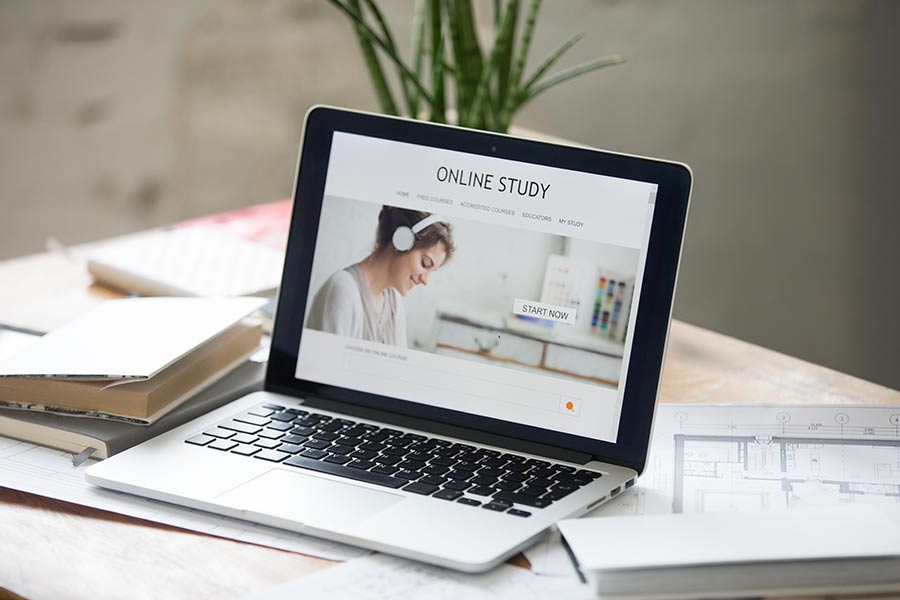
In recent years, online tutoring has evolved from a niche convenience into an essential academic tool for students of all ages. Beyond flexibility and accessibility, new research is showing that virtual tutoring isn’t just as good as in-person help — in some ways, it’s even better.
A particularly insightful study published in ScienceDirect demonstrated that remote tutoring in higher education led to a 30% increase in credits earned, higher GPAs, and a significant narrowing of performance gaps among students. These results have implications far beyond college campuses, offering valuable lessons for K-12 education and adult learners alike.
📈 What Did the Study Reveal?
The researchers conducted an experiment providing peer tutoring to undergraduate students through online sessions. The results were impressive:
-
Students who participated in online tutoring earned 30% more course credits than those who didn’t.
-
Grade Point Averages (GPA) improved by nearly a full letter grade on average.
-
Perhaps most importantly, students from underrepresented and historically disadvantaged backgrounds saw the greatest gains — effectively reducing academic inequality.
This study confirms what many online educators and learners have witnessed firsthand: consistent, personalized virtual tutoring makes a measurable difference.
💡 Why Does Online Tutoring Work So Well?
Several factors contribute to the success of online tutoring, both in higher education and other settings:
-
One-on-One Attention: Students can receive targeted help tailored to their specific learning needs and pace, something that’s often difficult to achieve in traditional classrooms.
-
Flexibility and Convenience: No travel, no commuting. Sessions can happen from home, a library, or a coffee shop, making it easier to fit academic support into busy schedules.
-
Access to a Global Network of Educators: Students aren’t limited to local resources — they can connect with tutors from around the world who specialize in the exact subject or topic they need help with.
-
Recorded and Replayable Sessions: Many online platforms allow students to revisit recorded sessions for review and reinforcement, solidifying their understanding.
-
Technology-Enhanced Learning Tools: Virtual whiteboards, file sharing, screen sharing, and collaborative documents create dynamic, interactive sessions that often surpass the capabilities of traditional in-person tutoring.
🌎 What This Means for K-12 and Adult Learners
While the study focused on college students, the principles apply universally. Whether it’s a middle schooler struggling with fractions or an adult preparing for the GED, online tutoring can increase subject mastery, improve grades or test scores, and build lasting academic confidence.
And just like in the higher-ed study, learners from under-served backgrounds often benefit the most.

By removing barriers such as transportation, scheduling conflicts, and limited access to high-quality local tutors, online tutoring creates a more level academic playing field.
ScienceDirect
The Bottom Line
The evidence is clear: online tutoring isn’t just a temporary solution or backup plan — it’s a powerful tool for boosting academic performance and closing achievement gaps. As technology continues to evolve and more research supports its benefits, virtual tutoring will play an even larger role in shaping the future of education.

If you or someone you know could use personalized, flexible, and effective academic support, now’s the perfect time to explore online tutoring options. The numbers — and the real-world outcomes — speak for themselves.